






Introduction
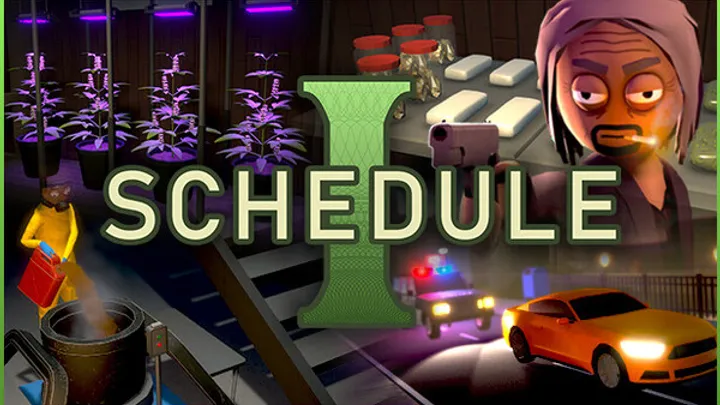
Schedule I has rapidly become one of the most talked-about crime simulation and management games because it combines business expansion, production management, risk assessment, and territory control into a single gameplay loop. Unlike many tycoon games where growth is largely automatic, Schedule I constantly forces players to balance profit, efficiency, security, and expansion.
Many new players focus exclusively on making money as quickly as possible. While this approach may generate short-term profits, it often creates long-term problems. Poor spending decisions, inefficient production chains, weak territory management, and uncontrolled expansion can quickly slow progress.
This guide focuses on practical tips and strategies that help players build a sustainable empire from the early game through the late game. Rather than discussing the game generally, this article follows the progression of a successful operation and explains how experienced players maximize profits while minimizing risk.

Understanding the Early Game Before Chasing Profit
One of the most common mistakes beginners make is assuming that money is the only important resource.
During the opening hours, knowledge and efficiency are often more valuable than immediate profit. Players who rush into expansion frequently find themselves unable to manage production, customer demand, or logistical challenges.
The early game should focus on learning systems. Understand how production works, how customers behave, and how territory influences sales. Every mechanic introduced during the first few hours becomes important later.
A slower start often produces faster long-term growth because mistakes remain manageable while profits are still relatively small.
Early Priorities
- Learn production mechanics.
- Understand customer demand.
- Avoid unnecessary purchases.
- Build reliable income.
- Study territory layouts.
Players who master fundamentals early usually experience smoother progression throughout the rest of the game.
How to Manage Money Efficiently
Many players become excited after earning their first significant profits and immediately spend everything.
This approach is dangerous.
Every dollar invested should either increase production capacity, improve efficiency, or support future growth. Decorative purchases and unnecessary upgrades often delay important investments.
A useful rule is to divide profits into categories.
For example:
- Operating expenses.
- Expansion fund.
- Emergency reserve.
- Equipment upgrades.
This simple structure prevents financial instability.
Common Spending Mistakes
Overspending on Expansion
Growing too quickly often creates management problems.
Ignoring Cash Reserves
Unexpected costs become difficult to handle without savings.
Buying Before Planning
Every purchase should serve a strategic purpose.
Financial discipline is one of the most important skills in Schedule I.
Building an Efficient Production Chain
Production is the heart of the business.
Many beginners view production as a simple process, but experienced players understand that efficiency determines profitability.
A poorly organized operation wastes time, labor, and resources.
An efficient operation minimizes unnecessary movement between stations. Production areas should be organized logically so that materials move through the system with minimal delays.
Players should regularly evaluate workflow.
Questions to ask include:
- Where are bottlenecks occurring?
- Which process takes longest?
- Which resource runs out first?
- Which station remains idle?
Small improvements in efficiency often produce large increases in profit.
Understanding Customer Demand
Not all customers are equally valuable.
One mistake many players make is treating every sale identically. In reality, different customers contribute differently to long-term growth.
Customer relationships influence future income opportunities.
Reliable customers generate predictable revenue streams. Understanding buying patterns allows players to optimize production and inventory management.
Customer Management Tips
- Prioritize repeat customers.
- Maintain supply consistency.
- Avoid disappointing key buyers.
- Monitor changing demand.
- Build reputation gradually.
A stable customer base often provides more value than constantly chasing new buyers.
Territory Expansion Without Losing Control
Expansion feels exciting.
New areas mean more customers, higher revenue, and greater influence.
However, uncontrolled expansion creates operational problems.
Each new territory introduces additional responsibilities. Production requirements increase. Logistics become more complicated. Resource management becomes more demanding.
Instead of expanding whenever possible, expand when your existing operation can comfortably support additional growth.
Signs You're Ready to Expand
- Stable income.
- Reliable inventory.
- Strong customer retention.
- Consistent production.
- Available financial reserves.
Expansion should strengthen the business rather than overwhelm it.
How to Optimize Inventory Management
Inventory management separates average players from advanced players.
Too little inventory creates shortages.
Too much inventory ties up valuable capital.
The goal is balance.
Players should maintain enough stock to satisfy demand while avoiding excessive accumulation of unused resources.
Inventory Best Practices
Track Consumption Rates
Understand how quickly products move.
Monitor Supply Levels
Avoid emergency shortages.
Maintain Safety Stock
Always prepare for unexpected demand spikes.
A predictable inventory system improves operational stability and reduces stress during periods of rapid growth.
Avoiding Common Mid-Game Mistakes
The mid-game is where many players struggle.
At this stage, profits increase significantly, but complexity also rises.
Players begin managing larger operations, multiple territories, and more demanding customers.
The most common mistake is assuming that strategies from the early game remain sufficient.
Larger operations require better planning.
Mid-Game Errors to Avoid
- Expanding too aggressively.
- Ignoring efficiency issues.
- Neglecting customer relationships.
- Overcomplicating production.
- Running low on cash reserves.
Many empires fail not because they lack revenue, but because management becomes disorganized.
Using Employees and Automation Effectively
As operations grow, personal management becomes increasingly difficult.
Employees and automation systems become essential tools.
However, simply hiring workers does not automatically solve problems.
Poorly assigned workers can create inefficiencies that reduce profitability.
Successful players treat employees as investments rather than expenses.
Employee Management Principles
- Assign clear responsibilities.
- Eliminate redundant tasks.
- Monitor productivity.
- Improve workflow organization.
- Expand staffing gradually.
A well-managed workforce dramatically increases operational efficiency.
Automation Strategy
Automation should remove repetitive tasks while allowing players to focus on growth and strategic decisions.
The goal is not replacing management but improving it.
Preparing for Late-Game Challenges
Late-game success depends on decisions made much earlier.
Players who focus exclusively on short-term profits often encounter difficulties when managing large-scale operations.
At this stage, consistency becomes more important than rapid growth.
Efficient systems outperform chaotic expansion.
Large empires require:
- Reliable logistics.
- Strong financial management.
- Organized production.
- Stable customer networks.
- Effective workforce management.
The late game rewards planning more than aggression.
Late-Game Priorities
- Increase efficiency.
- Reduce waste.
- Strengthen infrastructure.
- Optimize workflows.
- Protect profitability.
Small improvements can generate enormous financial benefits at scale.
Mastering Long-Term Empire Growth
The strongest Schedule I players think differently from beginners.
Instead of asking, "How can I make money today?" they ask, "How can I make more money every day for the next fifty hours?"
This mindset changes every decision.
Investments become strategic.
Expansion becomes calculated.
Production becomes optimized.
Growth becomes sustainable.
Long-Term Success Formula
- Build stable income.
- Improve efficiency.
- Expand carefully.
- Automate intelligently.
- Reinvest profits wisely.
The Importance of Patience
Many players underestimate patience.
A slower, organized empire often outperforms a rapidly expanded operation that struggles with inefficiencies.
Long-term success comes from consistency rather than constant risk-taking.
The most profitable empires are rarely built overnight.
They are built through hundreds of smart decisions made over time.
Conclusion
Schedule I is far more than a simple business simulator. It is a game about balancing growth, efficiency, risk, and management. While making money is important, true success comes from building systems that continue generating profit as the operation expands.
Players who focus on financial discipline, efficient production, customer management, inventory control, workforce optimization, and strategic expansion consistently outperform those who chase short-term gains. Every stage of progression introduces new challenges, but each challenge can be overcome through planning and organization.
The most successful empires are not necessarily the largest or the fastest-growing. They are the ones built on stable foundations. By mastering the principles outlined in this guide, players can avoid common mistakes, improve profitability, and create a powerful operation capable of thriving throughout every stage of the game.