.webp)
Stardew Valley Tips and Guides: From Your First Spring to a Thriving Farm
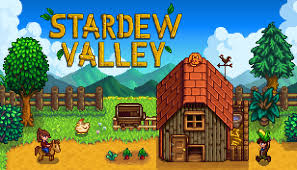
Stardew Valley is a relaxing farming simulation RPG where players inherit an old farm, move to the countryside, and build a new life in a small community. Although the game looks simple at first, there is much more to discover than planting crops and selling vegetables. Players can explore dangerous mines, catch seasonal fish, raise animals, craft machines, develop friendships, and restore the town's abandoned Community Center.
For beginners, the number of activities can make the first few weeks feel overwhelming. Energy is limited, crops require daily attention, and every season introduces different opportunities. Making a few smart decisions early can help you earn money, unlock useful equipment, and build a farm that becomes easier to manage over time.
This Stardew Valley tips and guides article follows a practical progression, from choosing your first activities in Spring to developing an efficient farm in later seasons. You do not need to follow every recommendation perfectly. Instead, use these tips to understand the game's systems, avoid common mistakes, and choose the playstyle that suits you best.
1. Getting Started: Build a Strong Foundation

1.1 Choose a farm layout that matches your playstyle
When starting a new save, you can choose between different farm layouts. Each offers a different balance of farming space, natural resources, terrain, and special features. The Standard Farm is a straightforward option for beginners because it provides plenty of open land for crops, buildings, and future expansion. Other layouts may appeal to players who prefer fishing, gathering, combat, or a more challenging arrangement.
There is no universally best layout. If your priority is growing crops and building an organized production area, choose a layout that gives you enough room to plan fields and pathways. If you enjoy gathering resources or want a farm with a distinctive atmosphere, another layout may be more appealing. Think about how you want to spend most of your in-game days rather than selecting a farm solely because it looks attractive.
You should also avoid clearing the entire property immediately. Removing every tree, stone, and patch of grass consumes energy that could be used for planting or exploring. Start by clearing a small area around your farmhouse, leaving enough space for your initial crops and a chest. Expand gradually as your tools improve and your daily routine becomes more efficient.
1.2 Manage your first days and daily energy
Your first day should focus on establishing a simple routine. You receive starter resources and can begin planting parsnips, clearing a small patch of land, and crafting a chest for storage. Water your crops, collect useful forage, and explore nearby paths when you have enough energy. You do not need to complete every available activity on Day 1.
Energy is one of the most important resources in the early game. Each tool action consumes energy, so spending the entire day chopping trees and breaking rocks may leave you unable to water your crops or complete other tasks. Prioritize activities according to their immediate value, and remember that eating suitable food can restore energy.
Time management matters as well. The in-game clock continues moving while you travel, fish, farm, and explore. Returning home before the day ends helps you avoid the consequences of staying awake too late. A practical daily routine is to water crops in the morning, complete one major activity during the day, and return home to organize items before sleeping.
Useful early-game habits include:
- Check your crops and water them before leaving the farm.
- Watch television for weather forecasts, daily luck, and useful information.
- Keep a chest near the farmhouse for materials you do not need to carry.
- Collect forage items when they appear along your regular routes.
- Avoid using all your energy on low-priority tasks.
- Sell unwanted items strategically instead of discarding everything you collect.
These small habits establish a reliable foundation without requiring a strict day-by-day walkthrough.
1.3 Learn the calendar, seasons, and important events
Stardew Valley uses a seasonal calendar, with each season lasting 28 in-game days. Spring, Summer, Fall, and Winter have different crops, forage items, fish, and events. When a new season begins, most crops from the previous season will die if they cannot grow in the new one, so planting dates matter.
Check the calendar outside Pierre's General Store to learn about birthdays and festivals. Events can provide unique activities, shopping opportunities, and ways to improve relationships with villagers. The Egg Festival on Spring 13 is especially useful for players who want to invest in Strawberry Seeds, which can produce multiple harvests during the remainder of Spring when planted early enough.
Plan around the remaining days in a season. A crop that takes longer to grow than the number of days remaining may never produce a harvest before the season changes. Before buying seeds, check their growth time and whether they continue producing after the first harvest.
However, do not treat the calendar as a deadline for everything. Many goals, including completing collections and building relationships, can continue into later years. Missing a seasonal item is usually a reason to plan ahead next time, not a reason to restart your entire save.
2. Make Money and Improve Your Farming Routine

2.1 Choose crops according to the season
Crops are one of the main sources of farm income, but buying the most expensive seeds does not automatically guarantee the best outcome. Consider seed prices, growth time, the number of harvests possible before the season ends, and how much daily maintenance your field requires.
In Spring, parsnips are a convenient starting crop because they grow quickly. Potatoes can provide additional value, while cauliflower offers a longer growing period and a higher individual selling price. Later in the season, Strawberry Seeds purchased at the Egg Festival can be an attractive investment because strawberries regrow after their first harvest. Your available money and the remaining days of Spring will determine how many seeds you should buy.
Summer and Fall introduce their own crop options. Blueberries and cranberries are popular choices because they can produce repeated harvests, while melons and pumpkins can be useful for particular bundles and farming objectives. Some crops are valuable because they sell well, while others matter because they contribute to quests or Community Center rewards.
Before investing heavily, ask three questions:
- How many days will this crop take to grow?
- How many harvests can I reasonably obtain before the season ends?
- Will planting it leave enough money and energy for other activities?
Diversifying your crops can also help. Rather than using your entire budget on one plant, reserve some money for seeds needed for bundles, food, and future expansion.
2.2 Earn extra income through fishing, foraging, and mining
Farming is not the only way to make money. Fishing can provide useful income during the early game, particularly when your crop field is small and you need money for seeds or a backpack upgrade. Different fish appear in different locations, seasons, weather conditions, and time windows, so experimenting with rivers, lakes, and ocean fishing can reveal useful opportunities.
The fishing minigame may feel difficult at first. Your Fishing skill improves as you catch fish, making the activity more manageable over time. If you struggle with the basic rod, you can consider purchasing the Training Rod from Willy. Its limitations make it unsuitable for every fish, but it can help beginners learn the mechanics.
Foraging offers another source of income with relatively little investment. Collect seasonal plants, flowers, berries, and other useful items while travelling around town. Some items are better kept for gifts, crafting, or Community Center bundles rather than sold immediately. A chest containing one example of each unfamiliar item can save you from having to find it again later.
Mining becomes more useful once the Mines open on Spring 5 in the first year. You can collect ores, coal, gems, and other materials while improving your Mining and Combat skills.
Selling every valuable item may provide immediate money, but retaining some resources will help you craft equipment and upgrade your farm later.A balanced strategy is to use fishing or foraging for additional early income, then gradually invest in crops and production systems that support your longer-term plans.
2.3 Upgrade tools and expand your farm carefully
Your starting tools work well enough for a small farm, but larger fields become increasingly difficult to maintain with basic equipment. Tool upgrades improve the efficiency of activities such as watering, chopping trees, and breaking rocks. They require money and materials, so prioritize upgrades that remove your biggest daily bottlenecks.
The watering can is particularly useful to upgrade when you have a growing field. However, you should plan around the time it spends at the Blacksmith and the need to water crops during that period. A day before rain can be convenient because rain waters outdoor crops, allowing you to temporarily manage without the can. Check the forecast before committing to an upgrade.
Your pickaxe and axe are also important. A stronger pickaxe helps with mining, while an upgraded axe provides access to certain resources and areas that cannot be reached with the starting tool. Each upgrade should support a specific goal rather than being purchased simply because you have enough money.
Expansion should be gradual. Buying too many seeds or constructing several buildings at once can leave you short of cash and materials. Establish a profitable routine first, then add new fields, animal buildings, or processing equipment as your farm income becomes more reliable.
3. Explore the Valley and Develop Relationships

3.1 Explore the Mines and prepare for combat
The Mines introduce a different side of Stardew Valley. Instead of managing crops, you descend through underground floors to collect ores, gems, and other resources while fighting monsters. The deeper you go, the more important your equipment, health, and preparation become.
Before entering the Mines, bring a weapon, some food, and a pickaxe. Keep enough inventory space for the materials you expect to collect. Your objective should be to make steady progress rather than clear every rock or defeat every monster. Search for ladders that lead to the next floor, and pay attention to your health when enemies surround you.
Elevators provide useful checkpoints as you reach certain floors, allowing you to return to previously unlocked levels. This makes it easier to resume mining without repeating the entire journey. Reaching deeper floors can unlock access to new ores and improve your ability to upgrade tools.
Consider these practical mining tips:
- Bring food that restores enough health and energy for the planned trip.
- Upgrade your pickaxe when mining begins to consume too much time.
- Carry a weapon you can use comfortably against different enemies.
- Leave valuable, unnecessary items at home before entering dangerous areas.
- Watch your health and return to the surface before the situation becomes difficult to manage.
Mining also supports progression elsewhere on the farm. Ores and coal are used in crafting and equipment upgrades, while certain minerals and gems can be donated to the Museum or used for other purposes. Keeping some resources instead of selling everything immediately helps you avoid shortages later.
3.2 Complete Community Center bundles and build friendships
The Community Center is one of the main long-term objectives in Stardew Valley. Its bundles request collections of items, including crops, fish, forage, minerals, and animal products. Completing them gradually restores different parts of the building and unlocks useful rewards. Alternatively, players can follow the Joja route, which offers a different progression system.
If you want to restore the Community Center, begin by checking which items each bundle requires. Keep an organized chest for seasonal crops, fish, forage, and other materials that may be difficult to obtain again immediately. Some items appear only in particular seasons or weather conditions, so planning ahead can prevent unnecessary delays.
You do not have to complete every bundle in your first year. Prioritize rewards that support your immediate goals, such as improving transportation or unlocking the Greenhouse. Use the remaining time to develop your farm, explore, and collect items that are available in the current season.
Relationships with villagers are another important part of the game. Talking to residents and giving them gifts they like can improve friendship levels. Birthdays provide particularly useful opportunities to strengthen relationships, so checking the calendar helps you avoid missing them.
To make relationship-building easier:
- Speak with villagers when you encounter them during your normal routine.
- Learn individual gift preferences instead of giving away random items.
- Save suitable flowers, forage, or other gifts when you have spare storage.
- Check birthdays and community events on the calendar.
- Explore dialogue and character events as your friendships develop.
You do not need to become close to every villager immediately. Choose a few characters whose stories interest you and build relationships naturally while exploring the town.
4. Develop an Advanced Farm and Plan for Long-Term Progress

4.1 Automate farming and turn crops into valuable products
As your farm grows, watering every crop manually can consume a significant part of each morning. Sprinklers help solve this problem by watering nearby crops automatically, depending on their type and placement. Obtaining and crafting them requires resources and progression, but they can free up time for mining, fishing, and other activities.
Plan your crop fields around the sprinklers you can afford. Leave enough room for paths and future expansion, and avoid placing equipment where it will obstruct movement. You do not need to cover the entire farm with automated systems immediately. Start with a manageable field, then expand when you have enough materials.
Processing equipment offers another way to develop farm income. Machines such as Preserves Jars and Kegs can turn suitable produce into processed goods. These products may sell for more than the original crops, but processing takes time and requires resources to craft the machines.
A useful progression is to begin with basic crops, establish a reliable watering routine, and then gradually add processing equipment. Instead of selling every harvest immediately, decide which items are best sold raw and which are worth processing. The ideal choice depends on the crop, the equipment you have, and how quickly you need money.
You can also organize your production area into distinct zones:
- Crop fields near sprinklers and storage.
- Processing machines close to frequently harvested crops.
- Animal buildings in an accessible area with room to expand.
- Chests for seeds, raw materials, finished goods, and crafting supplies.
- Paths connecting your farmhouse, fields, mines-related storage, and production buildings.
An organized layout reduces unnecessary walking and makes daily tasks easier to complete.
4.2 Avoid common mistakes and create your own long-term goals
One of the most common beginner mistakes is trying to do everything at once. Stardew Valley offers many activities, but limited time, energy, and money mean that every decision has an opportunity cost. Planting a huge field may appear profitable until you realize that watering it leaves little time for fishing, mining, or completing quests.
Another mistake is selling every item you collect. Some materials may seem unimportant when you first find them but become useful for crafting, bundles, cooking, or quests. You do not need to hoard everything, but keeping a small reserve of unfamiliar resources is often worthwhile.
Players can also lose money by investing too heavily in expansion before establishing a stable income. New buildings, seeds, tool upgrades, and equipment compete for the same budget. Prioritize investments that solve immediate problems, and expand when your finances can support the additional workload.
As you enter later seasons and years, set goals based on what you enjoy most. You might aim to complete the Community Center, upgrade your farmhouse, develop an orchard, collect every fish, build a decorative farm, or explore more dangerous areas. These goals do not need to follow a universal order.
A practical long-term checklist could include:
- Establish a stable source of seasonal income.
- Upgrade essential tools and unlock useful crafting recipes.
- Improve storage and create dedicated production areas.
- Complete selected Community Center bundles.
- Develop friendships with villagers whose stories interest you.
- Expand into animal products and processed goods when ready.
- Set a creative objective that makes your farm feel personal.
The best farm is not necessarily the one that generates the most money. It is the one that supports the activities you enjoy while giving you room to experiment and progress at your own pace.