
Introduction
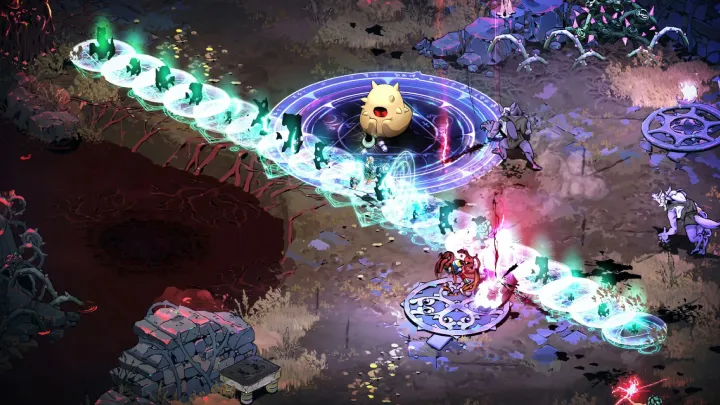
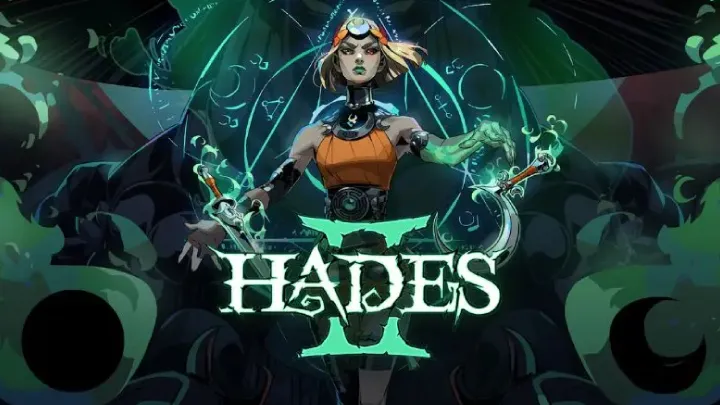
Hades II, the much-anticipated sequel from Supergiant Games, builds upon the rich narrative and gameplay mechanics of its predecessor while delving even deeper into themes of fate, choice, and the cyclical nature of existence. Set in the mythological realm of the Underworld, Hades II introduces players to new characters, challenges, and moral dilemmas that echo the complexities of free will against the backdrop of predetermined paths. At the heart of the game is a critical exploration of how characters grapple with their fates and the choices they make, often leading to profound consequences. This article examines the intricate ways Hades II engages with the themes of fate and choice, the ramifications of these choices on character arcs, and how they reflect broader philosophical questions about human agency and destiny.
The Foundation of Fate in Greek Mythology
Understanding the Concept of Fate
In Greek mythology, fate plays a pivotal role in shaping narratives and characters. The Moirai, or Fates, are often depicted as relentless figures who control the destinies of both mortals and gods alike. This concept of fate creates a tension between the characters' desires for autonomy and the constraints imposed upon them by their predetermined paths. Hades II picks up this thread, inviting players to explore these themes in a modern gaming context, where the allure of breaking free from one’s fate is ever-present.
The Underworld’s Role
The Underworld itself is more than a mere setting; it serves as a reflection of the characters’ struggles against their fates. In Hades, players explored how Zagreus, the son of Hades, sought to escape the confines of the Underworld. Hades II expands this narrative, allowing players to engage deeply with the legacies of characters like Zagreus, Persephone, and the newly introduced figures in the sequel. The consequences of their past choices linger in the air, shaping both the narrative threads and the emotional fabric of the game.
Character Arcs and Their Fateful Choices
The Evolution of Zagreus
In Hades II, players continue to follow Zagreus, who has undergone significant character development since the first game. He is no longer just a rebellious child seeking to escape; he grapples with the implications of his actions and the legacies of his parents. The exploration of his character arc reveals how choices shape not only individual destinies but also familial narratives.
Grappling with Consequences
Zagreus’s journey in the sequel highlights the theme that choices are not made in isolation but are deeply intertwined with the characters' relationships and histories. The consequences of his decisions—both good and bad—affect those around him, demonstrating how interconnected their fates truly are. This elaborate web of choices amplifies the emotional stakes and encourages players to consider the larger ramifications of their actions.
Introducing New Characters and Their Destinies
The Role of New Deities
Hades II introduces a host of new characters, each bringing their own narratives and struggles to the fold. Figures such as Melinoë, the goddess of nightmares, and other deities add new layers to the narrative, presenting themes of fate and choice in fresh ways. Each new character is grappling with their destinies, and their struggles serve as vital counterpoints to Zagreus’s journey.
Interconnected Paths
The introduction of these characters complicates the narrative tapestry as players observe how their choices interact with the choices of others. For instance, Melinoë’s conflicting desires might lead her on a path that crosses with Zagreus's, invoking questions about how their actions affect each other's fates. This interwoven storytelling elevates the game's exploration of human agency, emphasizing that destiny is shaped collaboratively rather than in isolation.
The Mechanics of Choice: Interactive Narrative
Choice and Consequence System
Hades II employs a choice and consequence system that gives players agency in defining their paths. Each decision—whether related to dialogue, combat strategies, or relationship-building—impact character relationships and game outcomes. This format helps to reinforce the themes of fate and choice, allowing players to experience the consequences of their decisions first-hand.
Pivotal Moments
Critical moments in the narrative encourage players to make choices that could drastically alter the story’s progression. Such pivotal decisions may involve allegiances, confrontations, or key alliances that have lasting repercussions. These mechanics reflect the eternal struggle between fate and free will, allowing players to engage with the notion that while destiny may be predetermined, there is room for personal agency and deviation from expected paths.
The Cyclical Nature of Fate
The Concept of Rebirth
The cyclical nature of fate plays a crucial role in Hades II. Characters often face cycles of rebirth, where past actions and decisions echo into new contexts. This theme mirrors the cyclical nature of mythological narratives, where characters are often doomed to repeat their struggles until they can confront their fates.
Learning from Loss
Players experience the cycles of life and death that the characters endure, which become crucial to the narrative progression. As characters confront their failings and past decisions, they are provided opportunities for growth, fostering deeper emotional connections. The ability to learn from previous failures ultimately reshapes their destinies, enhancing the feeling of agency in the gameplay.
The Philosophical Implications of Agency
Free Will vs. Predetermination
By immersing players in a world that constantly oscillates between fate and choice, Hades II invites philosophical reflection on the nature of agency. The overlap of predetermined outcomes and the freedom to make choices challenges players to ponder whether our paths are set in stone or shaped by our conscious decisions.
Consequences Beyond the Game
As players engage with these themes, they are pushed to question how these narratives mirror real-life dilemmas. The game sparks dialogue about the impact of individual actions, ethical responsibility, and the implications of choices made within a social context. This reflection elevates the game from mere entertainment to a thought-provoking experience that compels players to evaluate their beliefs about autonomy and fate.
Emotional Resonance and Character Depth
Building Emotional Connections
Hades II emphasizes emotional storytelling, ensuring that the characters' journeys resonate with players on a personal level. As players interact with the emotionally layered narratives, they become invested in the outcomes of not just Zagreus but also the characters around him. The emotional stakes lend weight to the themes of fate and choice, reinforcing the critical nature of decisions made both in-game and in the context of character relationships.
The Role of Relationships
Character interactions deepen emotional engagements, highlighting the importance of relationships shaped by choices. Players witness the evolution of bonds through dialogue, shared experiences, and conflict resolution. These moments underscore the truth that choices shape not only personal destinies but also the experiences and fates of those around them.
Narratology in Hades II: Craft and Execution
The Art of Storytelling
Supergiant Games continues to leverage its storytelling prowess in Hades II, constructing a narrative that is both immersive and multifaceted. The art of narratology is carefully woven into the game’s fabric, where each character and location contributes to a larger story tapestry. The design of intertwined fates encourages players to explore every corridor, encounter, and dialogue option, revealing hidden layers of narrative depth.
A Dynamic Narrative Framework
The flexibility of the game's narrative structure allows for nuanced storytelling that adapts based on player choices. With various paths and outcomes, the game rewards exploration and fosters replayability. This framework not only engages players but allows them to witness the consequences of their choices, driving the thematic exploration of fate and agency.
Future Directions: Hades III and Beyond
Setting the Stage for Future Installments
As players engage deeply with Hades II, one can speculate about the future of the franchise. What themes might be explored in Hades III? Will the narrative continue to grapple with the complexities of fate and choice, or will new dimensions emerge? The groundwork laid by Hades II permits expansive storytelling that could further elevate the franchise’s exploration of human and divine agency.
The Legacy of Choice and Agency
The path forward for the series seems poised to build upon the rich thematic foundation established in Hades II. Players can anticipate an ongoing discourse around concepts of free will, interconnected identities, and the emotional weight of decisions as they await new installments. The engagement with these issues ensures that the franchise remains not just a series of games but an evolving narrative that resonates deeply with players.
Conclusion
Hades II offers a profound exploration of fate and choice, weaving a narrative that challenges players to consider the broader implications of their decisions. Through its multifaceted characters, engaging mechanics, and richly constructed world, the game brings forth complex philosophical dialogues that extend beyond traditional gameplay. By placing players in a position to confront their beliefs about agency and responsibility, Hades II elevates the medium of gaming into a literary experience. As we move forward into future installments, the themes showcased in Hades II will undoubtedly continue to resonate, leaving an indelible mark on both the franchise and the players who engage with its intricate web of narratives.