Marvel Rivals: When the Marvel Universe Becomes a Battlefield
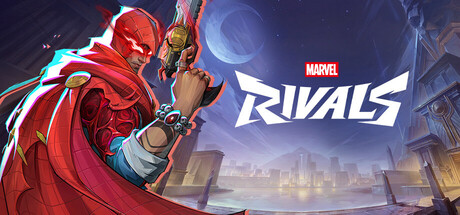
There is an immediate appeal to the idea behind Marvel Rivals. Few fictional universes have as many recognizable heroes and villains, and even fewer can place characters as different as Spider-Man, Hulk, Iron Man, Doctor Strange, and many others into the same competitive battlefield without the concept feeling completely unnatural. Yet that appeal also creates one of the game's biggest challenges. Marvel characters already have identities, abilities, personalities, and expectations attached to them, so simply placing them inside a hero shooter is not enough. The game has to make those characters feel familiar while also giving players a reason to learn how they work as competitive characters.
That balance is what makes Marvel Rivals interesting beyond its license. At its foundation, the game is a team-based competitive experience built around heroes with different abilities, movement styles, and roles. Players fight over objectives, manage limited opportunities, react to enemy strategies, and try to create situations where their team's strengths can overcome the opposition. The basic structure is familiar, but Marvel changes how that structure feels because every character brings a different interpretation of the battlefield.
The result is a game where spectacle and strategy constantly overlap. A battle can look chaotic from the outside, with abilities filling the screen and several characters attacking at once, but experienced players gradually learn to recognize the decisions underneath that chaos. They know which enemy is dangerous, which ability has already been used, where a teammate is trying to move, and when an opening is likely to appear. What initially looks like a collection of flashy superhero attacks eventually becomes a much more deliberate conversation between players.
That transformation from spectacle into understanding is arguably the most important part of Marvel Rivals. The first few matches are largely about discovering what the game can do. After that, the player begins discovering what they can do with it.
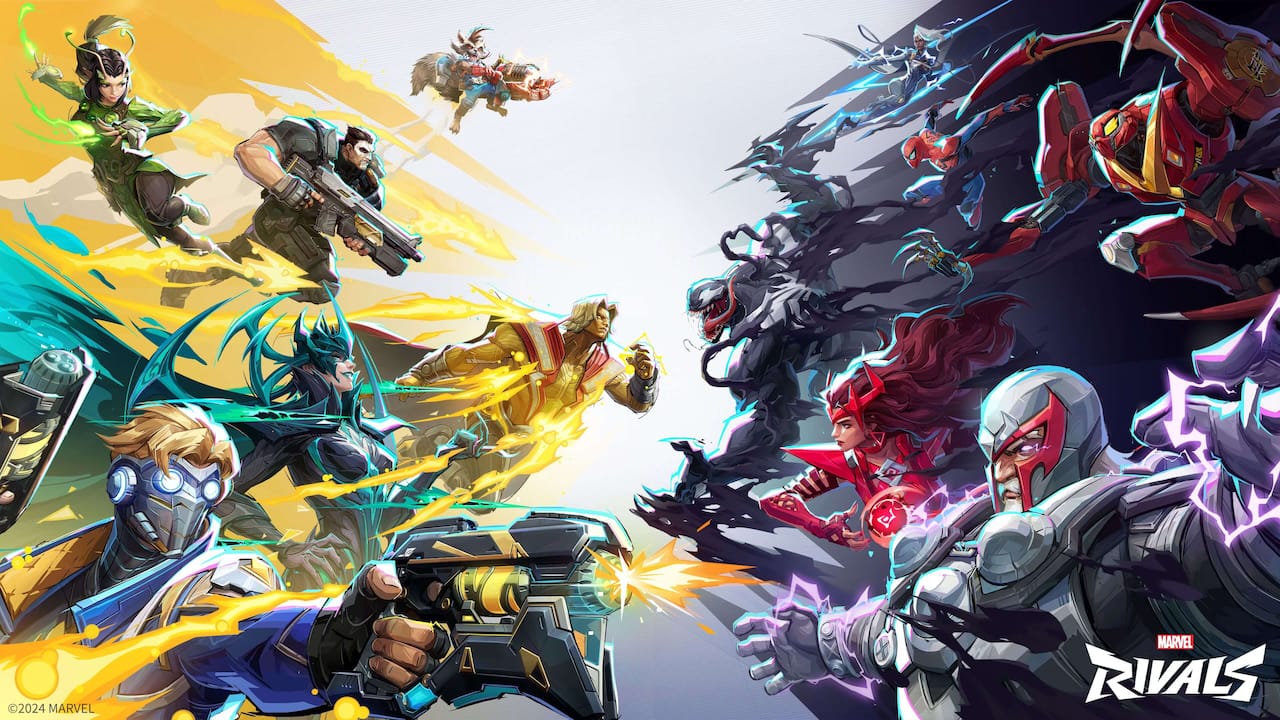
Marvel Characters Become Playstyles
The strongest character-based games do more than give every hero a unique appearance. They make the player behave differently depending on who they choose. Marvel Rivals benefits enormously when it manages to achieve that distinction because Marvel's characters already have strong personalities and recognizable abilities. Players do not simply expect Spider-Man to be another damage dealer or Hulk to be another frontline character. They expect them to behave in ways that resemble their identities.
Spider-Man is an obvious example. His appeal comes from movement, agility, unpredictability, and the ability to attack from unusual directions. If those qualities are represented only through faster movement or a few flashy abilities, the character can feel superficial. When they influence how the player approaches the map, however, Spider-Man becomes much more interesting. Walls, elevated positions, isolated enemies, escape routes, and unexpected angles suddenly become part of the player's decision-making.
That also creates an important limitation. Mobility is valuable only when the player understands where it should take them. A Spider-Man player who enters an enemy formation without considering how to escape may be eliminated quickly. The character's movement provides freedom, but freedom also creates responsibility. The player has to understand not only how to reach a target but whether reaching that target is actually worth the risk.
Iron Man offers a completely different interpretation of mobility. His ability to operate in the air changes the geometry of a fight, allowing the player to consider sightlines and positions that grounded heroes cannot access as easily. Instead of simply moving through the map, the player begins thinking about the battlefield vertically. A rooftop, open sky, or elevated angle can become a tactical resource.
Hulk approaches the game from almost the opposite direction. His fantasy is based on physical power and presence rather than evasiveness. A good Hulk player is not necessarily trying to move around the enemy team unnoticed. They are trying to make their presence impossible to ignore. Occupying a dangerous area, forcing opponents away from an objective, or creating enough pressure for teammates to attack can be just as important as securing an elimination.
Doctor Strange introduces another way of thinking about space. His abilities can make the battlefield feel less fixed because positioning, barriers, and unusual approaches become part of his gameplay identity. Instead of merely asking where the player should stand, his design encourages the player to think about how an engagement can be reshaped. That is a very different mental process from simply aiming at an enemy.
These differences are what make a large roster meaningful. The characters are not simply interchangeable tools with different costumes. Ideally, each one changes the questions the player asks while they are playing.
Learning the Battlefield
A new player entering Marvel Rivals has to process a considerable amount of information. They need to understand their own abilities while simultaneously recognizing enemy characters, objectives, map layouts, movement options, and the timing of team fights. The result can initially feel overwhelming, especially when several heroes use their abilities at the same time.
The important thing is that the game gradually becomes more readable. A player who has only played a few matches may see an enemy ability as a bright visual effect and react instinctively. Someone with more experience may recognize that effect immediately and understand what it means for the next few seconds of the fight. The difference is not necessarily faster reflexes. It is better information.
This is one of the most satisfying forms of progression in competitive games. The player is effectively building a mental map of the experience. They begin remembering which characters are dangerous at close range, which enemies can suddenly appear from unexpected positions, and which abilities should influence their positioning.
Eventually, the player starts predicting rather than reacting. They notice when an enemy has disappeared from view and understand that a flank may be developing. They recognize that a teammate moving backward may be preparing for a counterattack rather than simply retreating. They learn that an ability being used now may mean another important ability will not be available during the next engagement.
At that point, Marvel Rivals becomes a different game. The visual chaos is still there, but it no longer feels completely random. The player begins seeing patterns inside it.
Combat Is Really About Decisions
It is easy to describe a hero shooter through its abilities, weapons, and damage values. Those elements are important, but they are not what ultimately determines whether combat remains interesting. The more important question is when the player chooses to use those tools.
A powerful ability used at the wrong moment can accomplish almost nothing. A defensive skill may save a teammate immediately, but using it too early could leave the team vulnerable during the next fight. A movement ability can create an excellent attack angle or place the player directly into danger. Even an apparently successful attack can become a mistake if it leaves the player without a way to escape.
This creates a constant exchange between opportunity and risk. Players are always trying to determine whether the current moment is worth committing resources to. Sometimes the correct decision is aggressive, especially when an enemy has become isolated or vulnerable. Other times the better option is patience, allowing an opponent to reveal their position or waste an important ability first.
Team fights make these decisions even more complicated. Players are not only considering their own abilities but also trying to understand what everyone else is about to do. One character may create space while another attacks through it. A support player may keep someone alive just long enough for an offensive ability to finish. A mobile hero may wait for the frontline to attract attention before approaching from another direction.
The most satisfying combat therefore comes from timing rather than raw spectacle. A great play often looks simple once it happens, but the player had to recognize the right moment to make it work.
When Six Players Become a Team
Marvel's greatest strength as a fictional universe is also one of its greatest advantages as a team-based game. Marvel stories are built around combinations of characters who do not necessarily share the same powers, personalities, or methods. Their differences are often what make the team interesting.
Marvel Rivals can turn that idea into an actual gameplay system. The strongest team compositions are not necessarily those with six individually powerful characters. They are combinations where the players understand how their abilities complement one another.
A frontline character can create pressure that allows a mobile hero to approach safely. A support character can sustain that frontline long enough for another teammate to complete an attack. A control-oriented ability can restrict an escape route, turning a small advantage into a much larger one. These interactions happen quickly, but they are what transform individual abilities into teamwork.
There is an important difference between playing beside teammates and playing with them. Six players can stand on the same objective and still behave as six independent players. True teamwork appears when one person's decision creates an opportunity that another person recognizes.
That recognition does not always require voice communication. Players who become familiar with the game can begin reading one another through movement and positioning. A teammate moving toward a particular area can signal an intended attack. An enemy being forced into a corner can create an obvious opportunity. A support player staying close to a frontline hero can communicate that they are prepared to sustain a push.
These small interactions create some of the best moments in the game because the player realizes that their success came from cooperation rather than individual performance.
Team-Ups and the Marvel Relationship
The Team-Up concept fits naturally into Marvel because relationships between characters are such an important part of the universe. Marvel is full of partnerships, rivalries, friendships, and combinations that have meaning beyond simple combat roles. Turning some of those relationships into gameplay gives the setting an opportunity to influence the match directly.
This also encourages players to think beyond individual heroes. A character's value can change depending on who is fighting beside them. An ability that seems ordinary in isolation may become much more interesting when another teammate creates the right conditions for it.
That kind of interaction rewards experimentation. Players are encouraged to ask not only which character they enjoy playing, but what happens when that character is combined with someone else. A roster therefore becomes more than a list of options. It becomes a network of possible interactions.
There is also something distinctly Marvel about that approach. The appeal of the universe has never been limited to individual characters. Part of the fun comes from imagining what happens when very different personalities and powers occupy the same story. Team-Ups allow the game to turn that curiosity into something players can actively experience.
Maps Are Part of the Strategy
A hero-based game needs maps that do more than provide attractive scenery. The environment has to influence movement, positioning, and decision-making, particularly when the roster contains characters with radically different mobility options.
Open areas create different opportunities from narrow corridors. Elevated positions can become powerful for characters capable of reaching them. Chokepoints can make certain abilities more effective, while alternative routes allow mobile heroes to bypass predictable defenses. Once players understand these relationships, maps stop being backgrounds and become part of their strategic vocabulary.
Destruction adds another layer because the battlefield does not always remain exactly as it was at the beginning of the match. A structure that provided protection can disappear, changing how players approach the area. A route that once seemed safe may become exposed, while an opening created by destruction can offer a new way into an objective.
This is particularly appropriate for Marvel. Superhero battles are supposed to have physical consequences. If enormous attacks constantly occur without affecting the environment, the world can feel strangely artificial. When the environment responds to the conflict, the scale of the battle becomes more convincing.
The best environmental design therefore combines spectacle with consequence. The destruction should look impressive, but more importantly, it should make the player reconsider what they are doing.
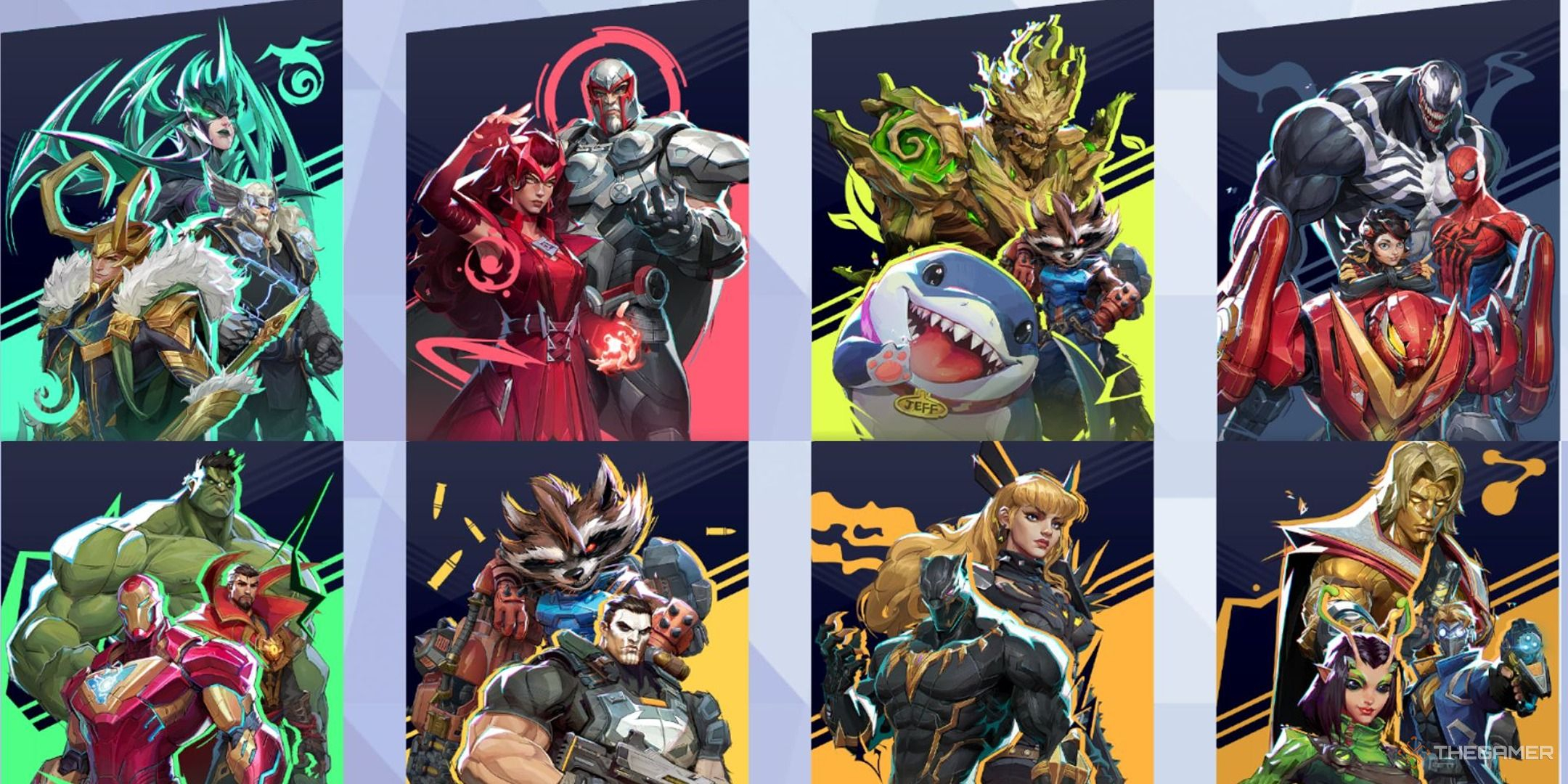
The Moment Chaos Becomes Readable
Marvel Rivals can become visually overwhelming during major fights. Multiple characters may be attacking simultaneously, abilities can fill the screen, and players may be moving in several directions at once. That chaos is part of the game's identity, but it also creates a learning challenge.
Over time, players develop a hierarchy of information. They learn which visual effects matter immediately, which sounds indicate danger, and which enemy movements deserve attention. Instead of trying to understand everything, they learn to identify the few pieces of information that can change the outcome of the fight.
This is why experienced players can appear calm in situations that look completely chaotic to beginners. They are not necessarily processing every detail. They have learned which details matter.
The same process occurs with enemy abilities. A beginner may simply see a dangerous hero approaching. An experienced player may immediately recognize which abilities have already been used and which threats remain. That knowledge can completely change how they position themselves.
Competitive mastery is therefore partly a process of filtering information. The player becomes better not only at controlling their character but at deciding what deserves their attention.
The Importance of Support and Space
Damage is easy to notice because it produces immediate feedback. Support is often more subtle. A player who prevents an elimination, protects a teammate during a crucial moment, or keeps an objective push alive may have a huge influence without producing the most obvious statistics.
That makes support gameplay particularly interesting. Instead of focusing only on attacking the enemy, the player has to watch the state of the entire team. They need to anticipate who is likely to be threatened and decide whether their resources should be used immediately or saved for a more important moment.
The same principle applies to space control. A player can contribute by making an area dangerous even when they are not actively attacking anyone. Holding a doorway, denying an approach, or forcing enemies away from a favorable position can create opportunities for teammates.
These forms of contribution demonstrate why a team cannot be judged only through individual eliminations. A player can have a relatively quiet moment mechanically while still having a major influence on the fight.
That is also consistent with Marvel's team-based identity. Not every hero in a superhero group needs to be the strongest attacker. Some create openings, some protect others, and some control situations so that someone else can deliver the decisive attack.
Why Losing Can Still Teach You Something
Competitive games inevitably involve losing. The important question is whether a defeat gives the player information they can use later.
A match becomes more useful when the player can identify why something went wrong. Perhaps they entered a fight before their team was ready. Maybe they used an important ability too early. Perhaps they failed to notice an enemy approaching from another direction. These explanations turn a vague loss into something concrete.
The more experienced the player becomes, the more specific those explanations can be. Instead of saying that an opponent was simply better, the player can understand which decision created the disadvantage. That knowledge can then influence the next match.
This does not make losing enjoyable in itself. It simply gives the defeat a purpose. The player is not repeating the same experience; they are testing whether their new understanding changes the result.
That cycle of action, failure, adjustment, and repetition is one of the foundations of competitive gaming. Marvel Rivals has enough character and team complexity to make that learning process substantial.
The Social Side of the Game
Marvel Rivals also changes considerably when played with friends. Communication becomes easier, experimentation becomes more natural, and mistakes often become part of the entertainment rather than simply sources of frustration.
A coordinated play can be satisfying because everyone understands their role in it. One player creates pressure, another follows, and a third provides support at exactly the right moment. The resulting success feels shared rather than individual.
Playing with friends also makes experimentation less intimidating. Players are more willing to try unfamiliar heroes or unusual combinations when the goal is partly to have fun. That can lead to unexpected discoveries about characters that would otherwise be ignored.
There is a social storytelling element here that scripted games cannot fully reproduce. Nobody knows exactly what their teammates will do. A strange decision can create an incredible play, while an obvious plan can fail for completely unexpected reasons.
Those moments become memories precisely because they were not scripted.
Progression Through Mastery
Progression in Marvel Rivals is not only about external rewards. The more meaningful progression happens as the player's understanding develops.
At first, the player is learning the controls. Then they learn individual heroes. After that, they learn matchups, maps, team compositions, timing, and positioning. Eventually, they begin understanding the broader flow of a match rather than simply reacting to individual fights.
This progression changes how familiar content feels. The same map that once seemed confusing can eventually become recognizable enough that the player instinctively knows where an enemy is likely to appear. A character that once felt difficult can become comfortable because the player has learned the situations in which their abilities are most useful.
That is a form of progression that cannot be reduced to a number. It is knowledge accumulated through experience.
A player who returns after a long period away may discover that the game has changed, but they also bring their previous understanding with them. That accumulated knowledge provides a foundation for learning whatever comes next.
Marvel as a Long-Term Identity
A major advantage of Marvel Rivals is that the universe provides an enormous amount of material for continued character-driven content. New heroes can introduce new playstyles, new relationships can create new combinations, and new environments can provide different strategic problems.
But expansion also creates a challenge. Every new character adds another interaction to an already complicated system. Every additional ability increases the amount of information players need to process. As the roster grows, clarity becomes increasingly important.
The game needs new content to feel like an expansion of its identity rather than a replacement for what came before. A new hero should introduce a different way to approach combat without making older characters irrelevant. A new map should create new strategic questions without invalidating the skills players have already developed.
That balance matters because the strength of a character-driven multiplayer game comes from the relationships between its parts. The roster is interesting because the heroes interact. The larger that network becomes, the more carefully it needs to be managed.
Spectacle Needs Substance
Marvel Rivals has an obvious advantage during a player's first few hours. The characters are recognizable, the abilities are visually dramatic, and the idea of watching Marvel heroes fight on the same battlefield is naturally exciting.
But spectacle cannot carry a competitive game indefinitely.
The first time a player sees a dramatic ability, it may be memorable because it is new. After dozens of matches, the player needs another reason to care. That reason has to come from the gameplay itself: better decisions, stronger teamwork, improved positioning, deeper character knowledge, and the satisfaction of executing something that previously seemed difficult.
This is where the distinction between a licensed game and a game that genuinely uses its license becomes important. Marvel Rivals is at its most convincing when Marvel is not simply something displayed on top of the gameplay. Instead, the characters influence the way the gameplay works.
Spider-Man's movement changes how the player sees the map. Iron Man changes the importance of vertical space. Hulk changes how enemies think about close-range pressure. Doctor Strange changes the way space and positioning can be manipulated.
The license gives these mechanics emotional meaning.
The Balance Between Power and Vulnerability
Superhero characters create a difficult balancing problem because their fictional abilities are intentionally exaggerated. Competitive multiplayer games, however, require players to have meaningful opportunities to respond.
The solution is not necessarily to make every character equally powerful in every situation. Instead, a well-designed hero can have situations where their strengths are extraordinary and other situations where opponents can exploit their weaknesses.
That creates a more interesting form of power. The player feels strong because they understand how to create favorable circumstances rather than because the game guarantees that their character will dominate.
A mobile hero can become terrifying when given freedom to move but much less effective when trapped. A frontline hero can dominate close-range engagements but struggle when opponents refuse to fight on those terms. A support character can completely change the outcome of a battle when positioned correctly but become vulnerable when isolated.
This relationship between power and vulnerability gives players meaningful decisions. The question is not simply whether a character is strong. The question is whether the player can create the conditions in which that strength matters.
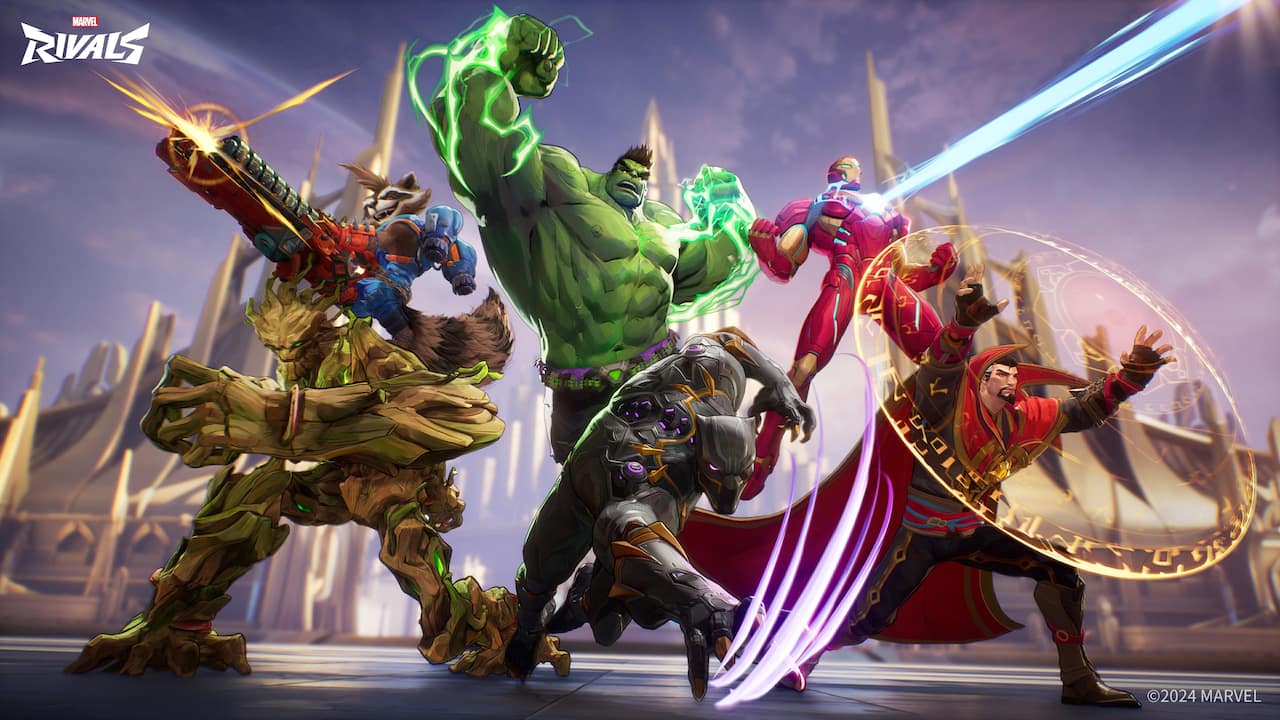
Why the Game Can Stay Interesting
The long-term appeal of Marvel Rivals depends on the number of possibilities created by its systems. A match can change because of character choice, team composition, map position, ability timing, environmental changes, or simple player decisions.
That means the same objective can produce very different experiences. One team may approach it directly. Another may use mobility to attack from the side. A third may focus on controlling space and waiting for the opponent to make a mistake.
The objective itself has not changed. The route to achieving it has.
That flexibility is what gives competitive multiplayer games their replayability. Players return not because every match is guaranteed to be different, but because the systems allow different decisions to produce different results.
Marvel's enormous character universe naturally supports this philosophy. There are enough distinct identities to encourage experimentation, and enough relationships between characters to make team composition more than a superficial choice.
What Marvel Rivals Ultimately Gets Right
The most compelling part of Marvel Rivals is not simply that it allows famous characters to fight one another. That concept alone would be enough to attract attention, but it would not necessarily be enough to maintain a player's interest.
The stronger idea is that the characters can change how the player approaches the same battlefield.
Spider-Man asks the player to think about movement and opportunity. Iron Man encourages a different relationship with vertical space. Hulk makes physical presence and pressure important. Doctor Strange turns positioning into something that can be manipulated. Support-oriented heroes demonstrate that influence does not always come from direct damage.
The team system then connects those individual identities. One player's strength can create another player's opportunity. A character that seems difficult to use alone can become extremely valuable when another teammate understands how to work with them.
This is where the Marvel fantasy becomes interactive rather than cosmetic. The player is not simply looking at heroes they recognize. They are making decisions through those heroes.
Final Thoughts
Marvel Rivals begins with one of the most recognizable fictional universes in modern entertainment, but its long-term appeal depends on what happens after the novelty of that universe wears off. The game needs its characters to remain interesting after the costumes become familiar, its maps to remain meaningful after players learn their layouts, and its combat to remain engaging after the abilities stop being new.
Its strongest foundation is the relationship between character identity and player decision-making. When a hero genuinely changes the way a player thinks about movement, space, timing, or teamwork, the Marvel setting becomes part of the gameplay rather than merely its decoration.
That relationship also gives the game a natural learning curve. A beginner sees abilities. An experienced player sees opportunities. A beginner reacts to an enemy. An experienced player begins predicting what that enemy wants to do. A beginner sees six characters fighting together. An experienced player starts seeing how those six characters can create advantages for one another.